How to Play Yard Beer Pong in 2026
Yard Beer Pong is becoming a practical choice for relaxed outdoor gatherings in 2026. It combines simple throwing skills, light competition, and flexible backyard setup. The Outdoor Foundation’s 2024 Outdoor Participation Trends Report recorded 175.8 million American participants in outdoor recreation during 2023. That figure shows strong demand for accessible activities outside traditional venues. Yard games remain attractive because they need limited equipment and encourage face-to-face interaction.
This guide explains how to play Yard Beer Pong with clear rules, safer equipment, and realistic spacing. A stable six- to eight-foot table, ten plastic cups, clean water, and two balls create the basic layout. Keep beverages separate from the playing cups. This improves hygiene and makes the game suitable for mixed-age gatherings. The Sports & Fitness Industry Association’s 2024 Topline Participation Report also highlights the continuing importance of casual, social recreation. That trend supports simple formats that welcome beginners.
Keep it simple. Keep it fair.
Players should agree on teams, turn order, scoring, and bounce rules before the first throw. A marked throwing line helps prevent arguments, especially on grass or uneven paving. The CDC recommends responsible alcohol use and avoiding alcohol for anyone under the legal drinking age. Local laws and household rules still apply. Experienced hosts may also provide water, shade, and nonalcoholic options. I have found that small details matter more than elaborate decorations. Still, outdoor wind can change the game quickly, and some rules may need adjustment. That imperfection is part of the fun, but it deserves honest planning.
Define 2026 Yard Beer Pong Standards: 10 Cups, 2 Balls, 6–8 ft Table
How to Play Yard Beer Pong in 2026
Define 2026 Yard Beer Pong Standards: 10 Cups, 2 Balls, 6–8 ft Table
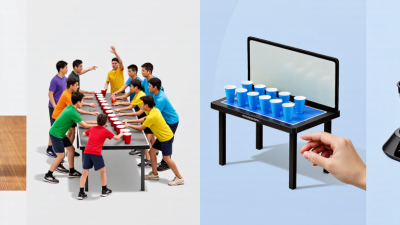
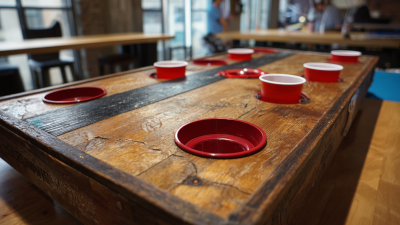
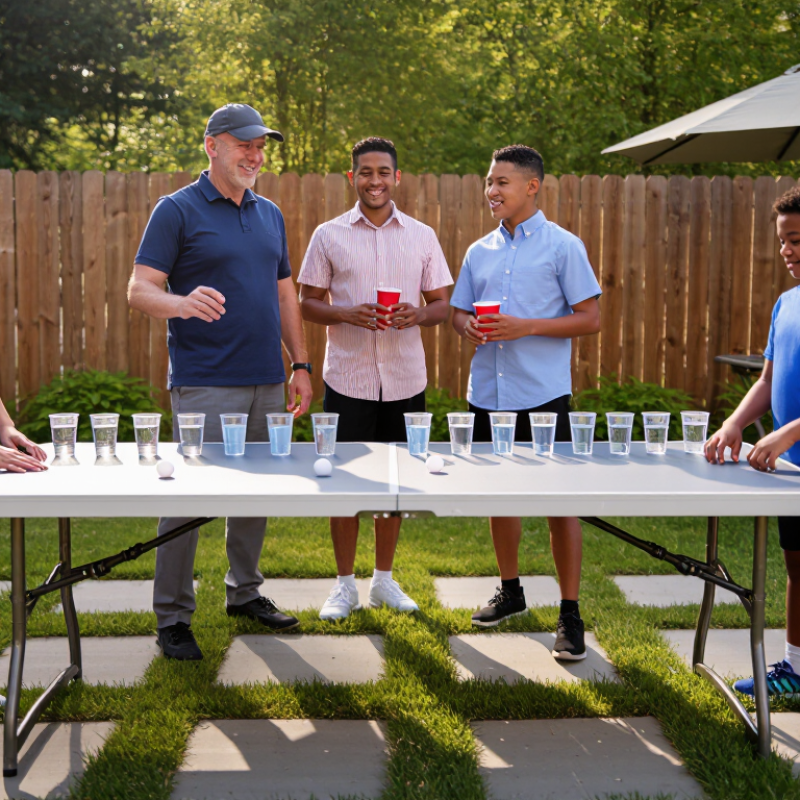
Set a stable outdoor table between six and eight feet long. Use ten cups per side, arranged in a tight triangle. Each team gets two balls. Fill cups with water, or use non-alcoholic drinks for easier cleanup and safer play. A turn includes two throws, one from each teammate. Remove a cup after a successful shot, then reset the remaining cups when only four or two remain. Keep the throwing line clear.
Outdoor Foundation’s 2024 Outdoor Participation Trends Report recorded 175.8 million U.S. outdoor participants in 2023. That supports simple yard games with flexible equipment. SFIA’s 2024 Topline Participation Report also reported more than 240 million Americans participating in sports and fitness activities. These figures do not prove beer pong is athletic. They do show growing interest in casual movement outdoors. In my experience, six feet feels fast and competitive, while eight feet gives beginners more room. I still measure twice. The standard is practical, not sacred.
Tips: Place the table on level grass or pavement. Mark both throwing lines with chalk. Keep spare balls in a dry container. Use bright cups at dusk. Leave at least three feet behind each player. Avoid crowded walkways and wet surfaces. Track the score visibly. Small mistakes happen; changing the distance mid-game creates more confusion.
2026 Yard Beer Pong Standards
A standard outdoor setup uses 10 cups, 2 balls, and a table measuring 6–8 feet in length. The table-length range supports different yard layouts while keeping the game practical and consistent.
Prepare the Playing Area Using a 10-Cup Triangle and Safe Outdoor Spacing
How to Play Yard Beer Pong in 2026 starts with a safer layout. Use ten sturdy, wide-base cups in a tight triangle, with four cups at the back, then three, two, and one. Keep the triangle centered on a stable table. A level surface reduces tipping and awkward reaches.
Leave at least six feet behind each player and four feet along the sides. This spacing allows players to step back without striking fences, chairs, or coolers. The National Safety Council’s Injury Facts 2024 reported 46,653 fatal falls in the United States during 2022. A casual game still deserves careful footing. Remove hoses, stones, loose cables, and wet leaves before play. Mark the throwing line with chalk, not sharp objects.
Outdoor heat also changes the setup. The CDC’s Heat and Health Tracker emphasizes checking local heat conditions before activity, especially during hot afternoons. Place water nearby and add shade when possible. Use outdoor lighting after sunset, with no glare aimed at players. Avoid glass cups near hard surfaces. Refill the triangle consistently, because uneven cup placement can change the game and create awkward reaches. I sometimes space the table too close to seating, then regret it when players turn quickly. Measure the area before guests arrive. Keep the play zone open. Stop the round if wind, rain, or poor visibility makes movement uncertain.
Follow Official Turn Order, Throwing Rules, Hits, Re-Racks, and Scoring
How to Play Yard Beer Pong in 2026
Yard beer pong works best with clear, water-filled cups and a level outdoor table. A 2024 Outdoor Industry Association report recorded 175.8 million U.S. outdoor participants in 2023. That growth makes simple, repeatable rules useful for mixed-skill groups. For a tournament-style match, flip a coin to decide the opening team. Players then alternate throws, one ball per player, until both players have thrown. Do not throw early. The order matters.
A hit counts when the ball lands inside a cup and remains there. Remove that cup immediately and record one point. A bounce counts only if every player agrees before play begins. It can earn one point, not extra points. If a ball touches the ground first, the throw is dead. Re-rack six cups into a tight triangle, four into a diamond, and three into a smaller triangle. Allow one re-rack per team at those cup counts. At one cup, center it carefully. I have seen arguments start over this small detail.
Tips: Mark cup positions with removable chalk. Keep a dry towel nearby. Use water in cups, not drinking liquid. The U.S. Consumer Product Safety Commission reports that outdoor recreation requires attention to slip and trip hazards, so remove loose cords and wet patches. For scoring, each removed cup equals one point. The team with the higher score wins. If tied, use a three-cup overtime rack. One throw per player. Misses still count. That rule feels harsh, but it keeps the game moving.
Measure Beer Responsibly: 12 fl oz at 5% ABV Equals One Standard Drink
How to Play Yard Beer Pong in 2026
Set up yard beer pong with sturdy tables, reusable cups, and water in the target cups. Keep drinking containers separate from the cups used for tossing. A dry, level surface reduces slips and keeps the game fair. Measure each serving before play, rather than guessing from a can or glass.
In the United States, 12 fluid ounces of beer at 5% ABV equals one standard drink. ABV means alcohol by volume. A larger pour or stronger beer counts as more than one standard drink. Check the label, because alcohol percentages vary widely. Use a measuring cup when serving. It feels overly careful, but visual estimates are often wrong.
I once treated a “light pour” as harmless. It was not precise. Now, I set a clear limit before the first round and offer water, food, and alcohol-free drinks throughout the game. Players can use water for every toss and keep a measured drink nearby, reducing spills and accidental overconsumption. Short rounds work better than rushing. No one should feel pressured to drink, continue playing, or finish a serving. Anyone driving should avoid alcohol completely and arrange a sober ride. Rules may differ by location, so follow local age and public-consumption requirements.