2026 Top Ping Pong Cup Game Types for Global Buyers
For global buyers, choosing a Ping Pong Cup Game is about more than bright cups and lightweight balls. Different formats suit different settings. Classic bounce-and-land sets work well for casual gatherings, while team relay versions add movement and shared play. Tabletop editions need less floor space. Electronic scoring models can create a more structured challenge, though they may require batteries and extra quality checks.
The details matter. Cup stability affects play, and ball weight can change how difficult each shot feels. Buyers should review material specifications, dimensions, included accessories, packaging, and product images before comparing suppliers. Ask how sets are tested and whether replacement balls or cups are available. These questions help clarify what a product offers without relying on broad promises. Small differences show up quickly.
The best option depends on the audience and sales channel. A compact set may fit gift shops or travel collections, while a larger team kit may suit party retailers and event suppliers. Custom colors and packaging can support a distinct brand, but they may also affect minimum order quantities and lead times. Check those trade-offs early. No format fits every buyer. Even an attractive sample may not reflect the final production run, so requesting clear specifications and reviewing pre-production samples can reduce uncertainty. This guide compares leading Ping Pong Cup Game types for 2026, with practical features and sourcing considerations in view. Some choices will still come down to judgment. That is worth acknowledging.
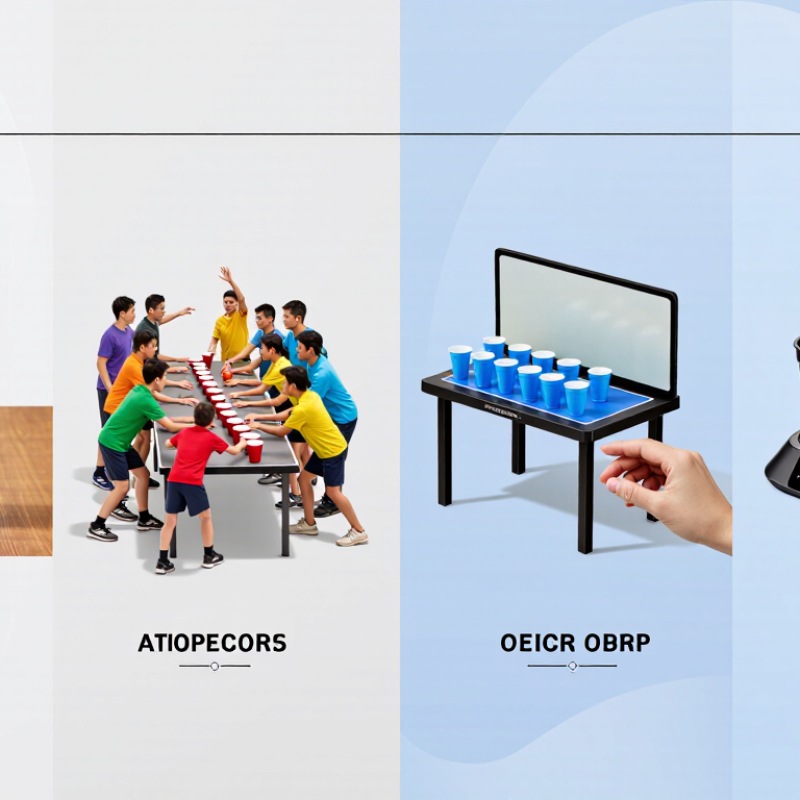
What Ping Pong Cup Games Are and How They Work
Ping pong cup games are tabletop skill games using lightweight balls, plastic cups, and simple scoring rules. Players stand or sit around a table and aim each ball into a cup. A successful shot may remove the cup, add points, or create a new challenge. Some versions use empty cups, while others hold water or small tokens. The safest formats avoid drinking tasks and focus on accuracy, timing, and friendly competition. A typical round takes only a few minutes, so groups can rotate quickly.
Tips: Choose cups with wide openings for younger players. Use balls with a visible color. Mark shooting lines with removable tape. Keep the table stable and dry. Test the scoring system with real users before large-scale purchasing. I have found that unclear turn rules cause more disputes than difficult shots.
For global buyers, the game should include durable cups, consistent ball sizes, clear instructions, and compact packaging. Materials should be easy to clean and free from sharp edges. Product testing can check cup stability, ball bounce, print durability, and package strength during transport. Age guidance matters, especially when small parts are included. Rules may also need simple language for international markets. One detail is often underestimated: a beautiful layout can still feel awkward if players cannot reach every cup. A small prototype reveals this quickly.
Common Ping Pong Cup Game Types and Play Formats
2026 Top Ping Pong Cup Game Types for Global Buyers
Common Ping Pong Cup Game Types and Play Formats
Ping pong cup games now extend beyond one familiar layout. Common formats include two-cup accuracy rounds, six-cup elimination, ten-cup team play, and timed target challenges. Singles suit compact venues, while doubles encourage communication and faster rotation. A raised cup rack adds difficulty, but adjustable distances help beginners participate. Short rounds also support family events, schools, and casual indoor entertainment.
The SFIA 2024 Topline Participation Report recorded about 20 million U.S. table tennis participants in 2023. This figure suggests strong demand for accessible skill games, not only formal matches. Buyers should compare cup stability, ball rebound, table footprint, and cleaning requirements. For export markets, color-coded cups and pictorial instructions reduce language barriers. They also make age-appropriate play easier to explain.
In product testing, timed formats create energy, but they can reward speed over control. That is a weakness. A better option combines accuracy points with a clear time limit. Reusable plastic cups, soft training balls, and rounded edges improve practical safety. Some buyers prefer stack-and-serve games, while others choose relay formats for group participation. Results can vary when table surfaces are uneven. Testing every format on several surfaces remains necessary.
Key Materials, Components, and Design Features
2026 Top Ping Pong Cup Game Types for Global Buyers
Key Materials, Components, and Design Features
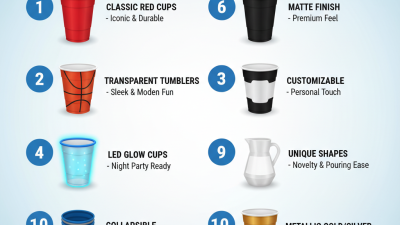
For global buyers, material selection often decides a cup game’s real service life. Food-contact approved polypropylene offers light weight, impact resistance, and easy cleaning. Tritan-style copolyester can improve clarity, but it usually increases cost. Silicone bases add grip on smooth tables. They also collect dust more easily.
The cup wall should feel firm without becoming brittle. A practical thickness often balances durability, weight, and shipping efficiency. Buyers should inspect rim consistency, surface smoothness, and color stability under repeated washing. Injection-molded parts usually provide better uniformity than poorly finished alternatives. Small defects matter. A rough edge can affect comfort and product reviews.
Core components include stable cups, a responsive ball, and a balanced playing surface. A textured base can reduce sliding during energetic play. Drainage details help prevent trapped moisture after cleaning. For outdoor use, UV-resistant materials deserve closer testing. Packaging also needs attention, especially for international transport. I have seen attractive samples arrive with crushed corners and loose components. That weakness is easy to overlook during factory approval. Buyers should request batch samples, material declarations, assembly checks, and drop-test records. Independent testing adds confidence, although it cannot replace hands-on inspection. Safety labeling, age guidance, and instructions should match the destination market. A clever design is not enough if users cannot understand it quickly.
2026 Top Ping Pong Cup Game Types for Global Buyers
Typical component counts for three cup-game setups. Cup counts describe common arrangements; exact rules and equipment can vary.
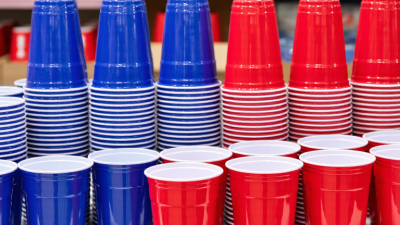
Materials and design: Cups are commonly made from reusable plastic or disposable paper; ping pong balls are typically lightweight plastic. A standard triangle rack uses 10 cups, while compact and expanded setups use 6 and 15 cups respectively. Reusable cups suit repeat play, and stable, clearly marked layouts help with setup.
Safety, Packaging, and International Sourcing Considerations
2026 Top Ping Pong Cup Game Types for Global Buyers
Safety, Packaging, and International Sourcing Considerations
Cup pong sets, foldable tabletop games, and electronic scoring versions are attracting different global buyers in 2026. Each type needs a different safety review. Traditional sets should use stable cups with smooth rims and rounded edges. Foldable boards need secure hinges and reliable locking points. Electronic models require protected battery compartments and clear operating instructions. Small parts deserve special attention. They can be easily misplaced or swallowed by young children.
Packaging affects both safety and profit. A strong corrugated carton should protect cups from crushing during sea or air transport. Molded paper inserts can reduce movement without adding excessive plastic. I have seen attractive packaging fail because the inner tray was too loose. That mistake creates scratches, missing pieces, and avoidable claims. Buyers should request drop-test records, material declarations, and sample inspections before placing larger orders. Requirements differ by destination, so local compliance advice remains important.
Tips:
Ask for a complete pre-production sample. Check cup edges, hinge strength, printing quality, and odor. Confirm carton dimensions before calculating freight. Use clear warning labels and age guidance. Do not rely only on supplier photographs. A factory may pass one inspection and still need improvement. Leave time for corrective samples, especially before seasonal sales.