2026 Top Trends in Toy Packaging Box Designs and Innovations
The toy packaging box industry is witnessing significant innovation. According to Dr. Emily Carter, a leading expert in packaging design, "The right packaging can elevate a toy’s appeal.” Her insight captures the essence of the evolving trends in this field.
In 2026, sustainability and creativity reign supreme. Brands are increasingly opting for eco-friendly materials, appealing to environmentally conscious consumers. Bright colors and imaginative shapes dominate the design landscape. The challenge is to balance aesthetics with functionality. Many packaging solutions, while visually striking, fail to protect the product effectively.
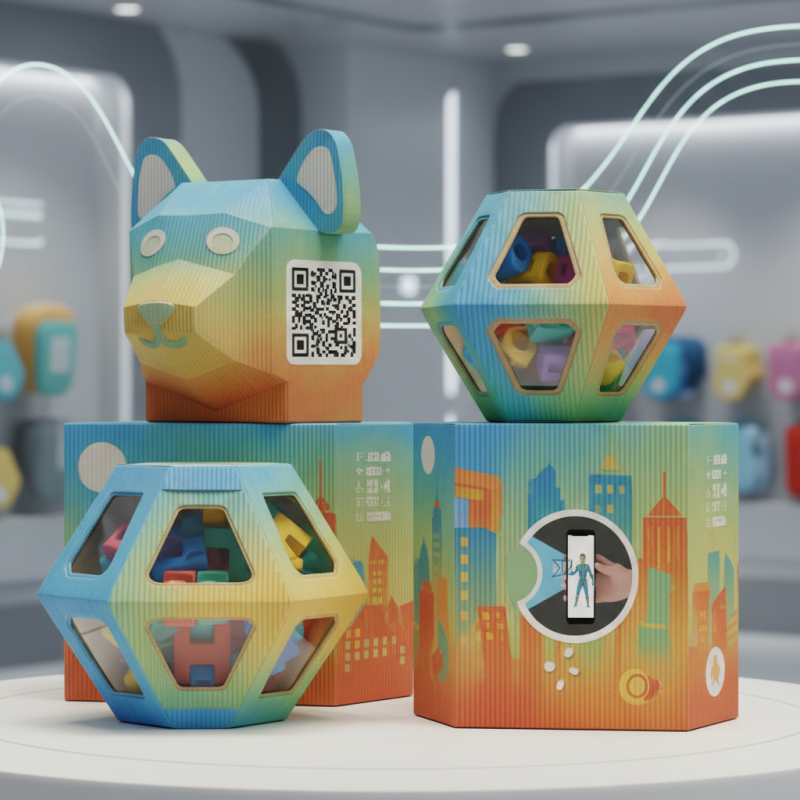
Furthermore, interactive packaging is gaining traction. QR codes and augmented reality elements engage children and enhance their play experience. Yet, this trend raises questions about accessibility for all young users. The toy packaging box must cater to various demographics and ensure inclusivity. As the market evolves, businesses must reflect on what makes their designs not only attractive but also meaningful and reliable.
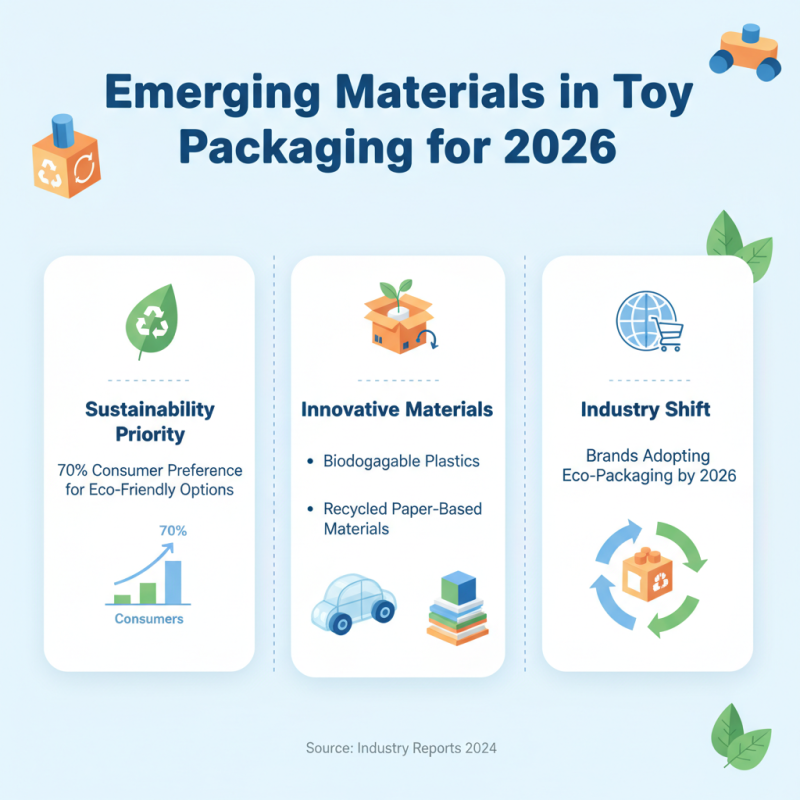
Emerging Materials in Toy Packaging for 2026
As the toy industry evolves, so does the packaging that houses these products. Emerging materials are set to play a pivotal role in shaping toy packaging by 2026. Many brands are now prioritizing sustainability. Reports show that up to 70% of consumers favor eco-friendly packaging choices. This shift leads to innovative uses of biodegradable plastics and recycled paper-based materials.
Bioplastic is gaining momentum. Made from renewable resources, it reduces the carbon footprint significantly. Research highlights that bioplastics can cut greenhouse gas emissions by 30% compared to traditional plastics. However, challenges remain in scalability and cost-effectiveness. Many companies struggle to balance eco-innovation with affordability.
Another interesting development is the rise of smart packaging. With advancements in technology, some packaging now integrates QR codes and augmented reality features. These tools enhance the consumer experience. Yet, not all consumers embrace this trend. Some view it as unnecessary. As brands push forward, assessing consumer sentiment will be crucial. This landscape is still unfolding, presenting both opportunities and hurdles for the industry.
Innovative Sustainability Practices in Toy Box Designs
The toy industry is witnessing a transformation in packaging design, emphasizing sustainability. Recent reports indicate that 78% of consumers prefer eco-friendly packaging options. This trend is reshaping how companies approach toy box designs.
Materials such as recycled cardboard and biodegradable plastics are becoming industry standards. Companies are redesigning toy boxes to use less material while maintaining structural integrity. Notably, some manufacturers are adopting minimalistic aesthetics, leading to reduced waste during production. However, challenges remain. Not every eco-friendly material meets durability expectations. Finding a balance between sustainability and product safety is an ongoing concern.
Furthermore, consumers are demanding transparency about sourcing and recyclability. In a recent survey, 65% of parents expressed concern about harmful chemicals in packaging. This pressure pushes brands to invest in safer alternatives. A focus on innovative designs, like reusable boxes, is emerging. Still, there’s room for improvement. As companies experiment with new materials, consumer education becomes vital. The journey toward sustainable toy packaging is complex but crucial for the industry's future.
2026 Top Trends in Toy Packaging Box Designs
This chart displays the top trends in toy packaging box designs for 2026, highlighting innovative sustainability practices. The data reflects a growing focus on eco-friendly materials and designs that reduce environmental impact.
Trends in Interactive and Engaging Packaging Features
The toy packaging landscape is transforming. Interactive and engaging packaging features are becoming essential for attracting consumers. A recent report from the Toy Association highlights that 45% of parents are influenced by packaging when purchasing toys. This indicates a significant shift towards packaging that captivates and entertains.
Colorful graphics and unique shapes are not enough anymore. Brands are integrating sensory elements, like textures and sounds, to create a multi-dimensional experience. For instance, some packages now have augmented reality (AR) features that allow children to interact with the toy before opening it. This AR integration is backed by data showing that 30% of parents find AR packaging increasingly appealing. However, this innovation prompts a crucial question: does enhanced packaging truly enhance the play experience?
While technology plays a vital role, traditional elements like open windows and easy-to-open designs still matter. In a survey by Research and Markets, 60% of consumers noted frustration with complex packaging. Thus, manufacturers must reflect on balancing innovation with user-friendliness. Engaging features need to be intuitive to avoid overwhelming customers. The future of toy packaging lies in merging excitement with functionality.
Enhancement of Aesthetic Appeal Through Design Innovations
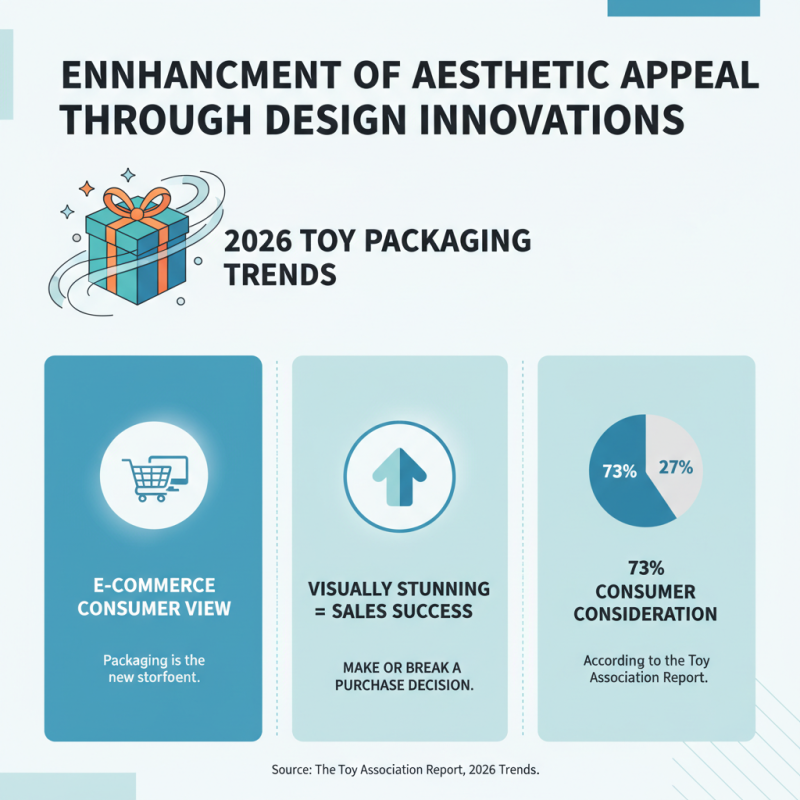
In 2026, toy packaging designs will focus heavily on aesthetic appeal. The rise of e-commerce changes how consumers view packaging. Visually stunning boxes can make or break a sale. A report from the Toy Association shows that 73% of consumers consider packaging design when making a purchase.
Many brands are exploring eco-friendly materials. Consumers increasingly demand sustainable options. However, this push for sustainability must not compromise design. Creative solutions, such as using biodegradable plastics or recycled cardboard, are emerging. These innovations can enhance visual appeal while addressing environmental concerns.
Yet, there are challenges. Some designers struggle to balance aesthetics and functionality. Complex designs may confuse consumers or complicate production. Research indicates that clear messaging in packaging increases consumer confidence. Design should never distract from the product's purpose. The goal is clarity and beauty, but harmony must prevail.
Smart Packaging Solutions for Modern Toy Brands
The toy industry is evolving, and smart packaging solutions are at the forefront. Modern toy brands focus on sustainability and functionality. Eco-friendly materials are becoming standard. Consumers prefer packaging that is both attractive and responsible. In 2026, expect designs that enhance user experience while reducing waste.
Designing smart packaging goes beyond aesthetics. It involves user interaction. For instance, some packaging will incorporate QR codes for additional content. This adds value and keeps consumers engaged. Packaging should tell a story that resonates with both kids and parents. Consider bright colors and playful shapes that capture attention.
Tips: Think about functionality when designing. Can the box be reused? Could it transform into something fun after use? Always prioritize safety and storage. Ensure that your materials are safe and easy to handle. Reflect on your packaging strategy frequently. Does it align with your brand values and customer expectations? Each aspect can elevate your brand in a crowded market.
2026 Top Trends in Toy Packaging Box Designs and Innovations
| Trend |
Description |
Materials Used |
Sustainability Rating |
Target Age Group |
| Smart Packaging |
Interactive and responsive designs that engage children. |
Recyclable plastics, smart sensors |
A+ |
4-12 years |
| Eco-Friendly Packaging |
Packaging made from biodegradable materials. |
Kraft paper, organic inks |
A++ |
All age groups |
| Minimalist Designs |
Simplicity in focusing on the product itself. |
Cardboard, fewer colors |
B |
5+ years |
| Interactive Elements |
Incorporation of games or puzzles into packaging. |
Plastic windows, augmented reality |
B+ |
3-10 years |
| Customizable Packaging |
Allows children to personalize or decorate their boxes. |
Recyclable materials, non-toxic adhesives |
A |
5-12 years |