Top Regulation Beer Pong Table Suppliers Worldwide
Choosing a reliable Regulation Beer Pong Table supplier requires more than comparing catalog prices. Worldwide buyers need consistent dimensions, durable construction, accurate printing, and dependable communication. A regulation table should provide a stable playing surface, practical folding features, and clear cup placement. Small details matter. Uneven legs can change the game.
Experienced suppliers usually explain their materials, production process, packaging methods, and quality controls. Look for tables made with moisture-resistant surfaces, reinforced hinges, and protective edge treatment. Ask whether each batch receives dimensional inspection before shipment. Photos are useful, but physical samples reveal more. A sample can expose weak joints, slippery finishes, or colors that look different under warehouse lighting.
This guide examines leading Regulation Beer Pong Table suppliers across major manufacturing regions. It considers product consistency, customization options, minimum order quantities, lead times, and after-sales support. Transparent suppliers should provide realistic specifications rather than promising everything. That is important.
Buyer reviews, factory experience, and documented testing can strengthen supplier evaluation. However, online ratings are not perfect evidence. Some reviews may be outdated or lack purchasing details. Buyers should request recent samples, inspection records, and clear commercial terms. Responsible sourcing also includes safe materials, accurate product labeling, and packaging that reduces avoidable damage.
No supplier is ideal. Even established manufacturers may experience delays, color variation, or communication gaps. A careful comparison helps identify these risks before payment and production. The strongest suppliers combine technical knowledge with honest service. They do not simply sell a table; they support a predictable buying experience from specification to delivery.
What Defines a Regulation-Size Beer Pong Table
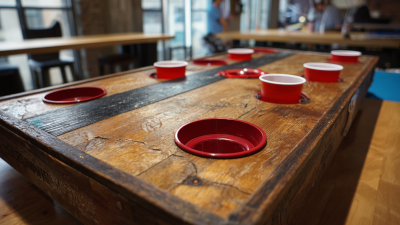
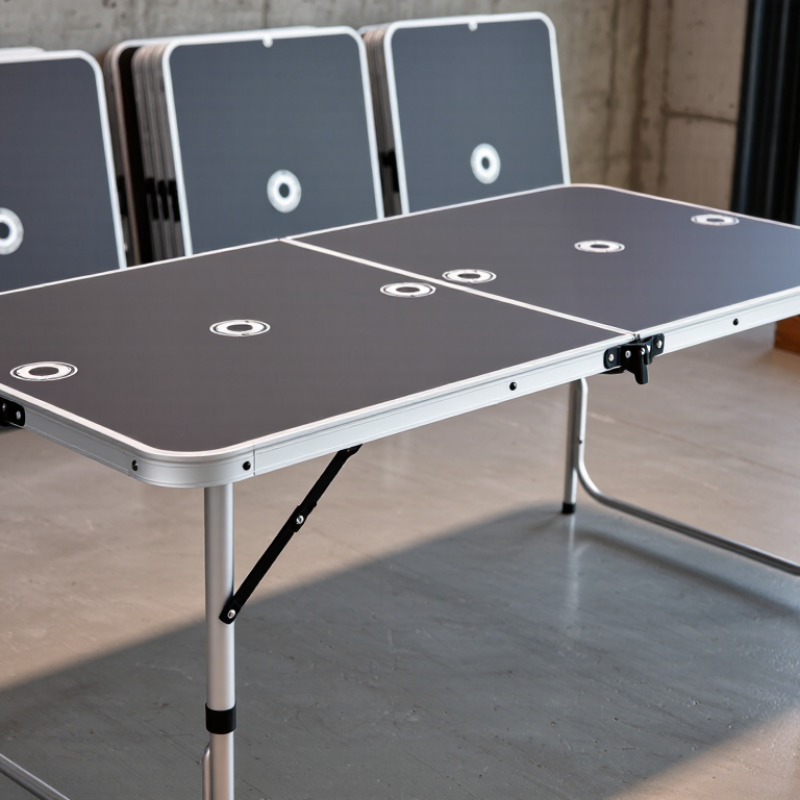
A regulation-size beer pong table is usually eight feet long, two feet wide, and about 27 to 30 inches high. These measurements create a familiar playing distance for casual and organized games. Small differences can change the experience. A table that is too narrow leaves little space for cup arrangement and rebounds.
In supplier inspections, I measure the tabletop instead of trusting the product label. The playing surface should remain flat, with firm edges and consistent support underneath. A slight center bend may seem harmless, but spilled drinks and moving cups quickly expose the weakness. The surface should also resist moisture and wipe clean without becoming slippery. Useful markings include center lines, end lines, and cup-placement guides. They improve setup speed, although not every event requires them.
Portability matters too. Folding legs, locking hinges, and a manageable carrying weight make storage easier. Yet extra hinges can create movement during play. That trade-off deserves attention. Some suppliers advertise regulation dimensions while excluding the frame or side rails from their measurements. Ask for the exact usable surface size. Check the table when fully opened. A reliable supplier should provide material details, load guidance, folded dimensions, and realistic measurement tolerances. Perfection is uncommon. Clear specifications are more valuable.
Key Supplier Types and Manufacturing Capabilities
Top Regulation Beer Pong Table Suppliers Worldwide
Reliable beer pong table suppliers usually fall into four groups: sports equipment manufacturers, furniture factories, promotional product suppliers, and custom contract producers. Each group has different strengths. Sports manufacturers often understand impact resistance and folding stability. Furniture factories may offer stronger frames and cleaner finishing. Promotional suppliers handle artwork and short campaigns well. Contract producers can combine several capabilities under one production plan.
Manufacturing details matter more than attractive product photos. Experienced suppliers should explain their tabletop materials, edge protection, leg-lock systems, and surface coating. Common choices include aluminum composite panels, laminated boards, and reinforced plastic. A capable factory can provide controlled cutting, accurate drilling, screen or digital printing, and repeatable color matching. Ask for production samples. Small differences in leg height can affect table balance and playing comfort. They should also inspect hinges, corners, and packaging before shipment. The carton should protect folded tables from moisture and crushed edges.
Supplier evaluation is not always perfect. A polished sample may hide inconsistent mass production. Request batch inspection records, material specifications, and clear tolerance ranges. Independent testing can strengthen confidence, especially for surface durability and structural load. I have found that simple questions reveal expertise: How are warped panels rejected? How are replacement parts handled? What happens when printed colors drift? A dependable supplier answers with procedures, not vague promises. Regional production can reduce delivery time, while larger factories may provide better automation and volume pricing. Choose according to order size, customization needs, and quality-control capacity.
Standards for Evaluating Beer Pong Table Suppliers
Top Regulation Beer Pong Table Suppliers Worldwide
Reliable supplier evaluation begins with measurable specifications, not attractive product photos. A regulation table should state its length, width, height, folding tolerance, and surface flatness. Suppliers should provide drawings and batch inspection records. Ask how much weight each leg supports. Check hinge strength after repeated folding. A table that feels rigid in a showroom may wobble on concrete. That detail matters. ISO 2859-1 offers a recognized sampling method for lot inspections, helping buyers assess defects consistently. However, ISO 9001 certification alone does not prove table quality. It confirms a management system, not perfect workmanship.
Materials deserve equal attention. Request composition details for the tabletop, edge banding, coatings, and hardware. Surface coatings should resist moisture, stains, and repeated cleaning. The 2024 UNEP Global Waste Management Outlook projects municipal waste could rise from 2.3 billion tonnes in 2023 to 3.8 billion tonnes by 2050. Therefore, durable panels and replaceable hardware support a more responsible purchasing decision. Packaging should also be evaluated for excess plastic, corner protection, and damage rates. The World Bank Logistics Performance Index 2023 emphasizes customs, tracking, and delivery reliability as key supply-chain measures. Ask suppliers for recent on-time delivery data, carton test results, and corrective-action records. Some vendors may provide impressive documents but vague answers. That is a warning. A small sample order can reveal more than a polished catalogue.
Worldwide Supplier Regions and Market Differences
Regulation beer pong tables are not identical across supplier regions. Dimensions, cup spacing, surface coatings, and folding systems can vary. North American suppliers often emphasize tournament-ready sizing and fast domestic delivery. Buyers usually request stable legs, sealed edges, and strong carton protection.
Small details matter.
European suppliers may focus more on clean design, material traceability, and long-term durability. Their pricing can reflect stricter quality checks, higher labor costs, and shorter regional transport routes.
East and Southeast Asian suppliers often compete through flexible customization and factory pricing. They may offer printed surfaces, private packaging, and different order quantities. However, buyers should review inspection access, hinge strength, and shipping schedules carefully.
Oceania suppliers can serve local events efficiently, but their product ranges may be narrower. Freight distance can influence the final cost more than the table price. A practical comparison should include samples, packed dimensions, replacement parts, and delivery terms. The cheapest quote can look impressive, yet freight and rework may erase it.
Regional patterns help, but they never replace a physical sample. One overlooked weakness is uneven printing near folding joints. That issue is easy to miss in product photos.
Ordering, Customization, Shipping, and Quality Assurance
Top Regulation Beer Pong Table Suppliers Worldwide
When ordering regulation beer pong tables, confirm playing dimensions, cup spacing, surface height, and folding requirements. A reliable supplier should provide technical drawings, material details, and a production timeline. Request a sample before placing a large order. It reveals problems that photos hide. Check edge finishing, leg stability, hinge strength, and surface flatness under real handling.
Customization can include printed graphics, color matching, numbering, carrying handles, and protective packaging. Send clear artwork files with exact measurements and color references. Ask whether printing is tested for abrasion, moisture, and repeated cleaning. In one venue project, the preview looked accurate, but the finished colors appeared darker. That mistake showed why physical samples matter more than digital approvals.
Shipping requires careful planning. Confirm carton dimensions, pallet options, delivery terms, insurance, and customs documents before production begins. Tables with folding frames may reduce freight volume, but weak packaging can damage corners and locking parts. Ask for photos during final inspection, including folded units and packed cartons. Quality assurance should include batch measurements, weight checks, hardware testing, and a written defect policy. Independent inspection may add cost, yet it can prevent expensive replacements. Some suppliers promise fast delivery too easily. A realistic schedule is safer.